
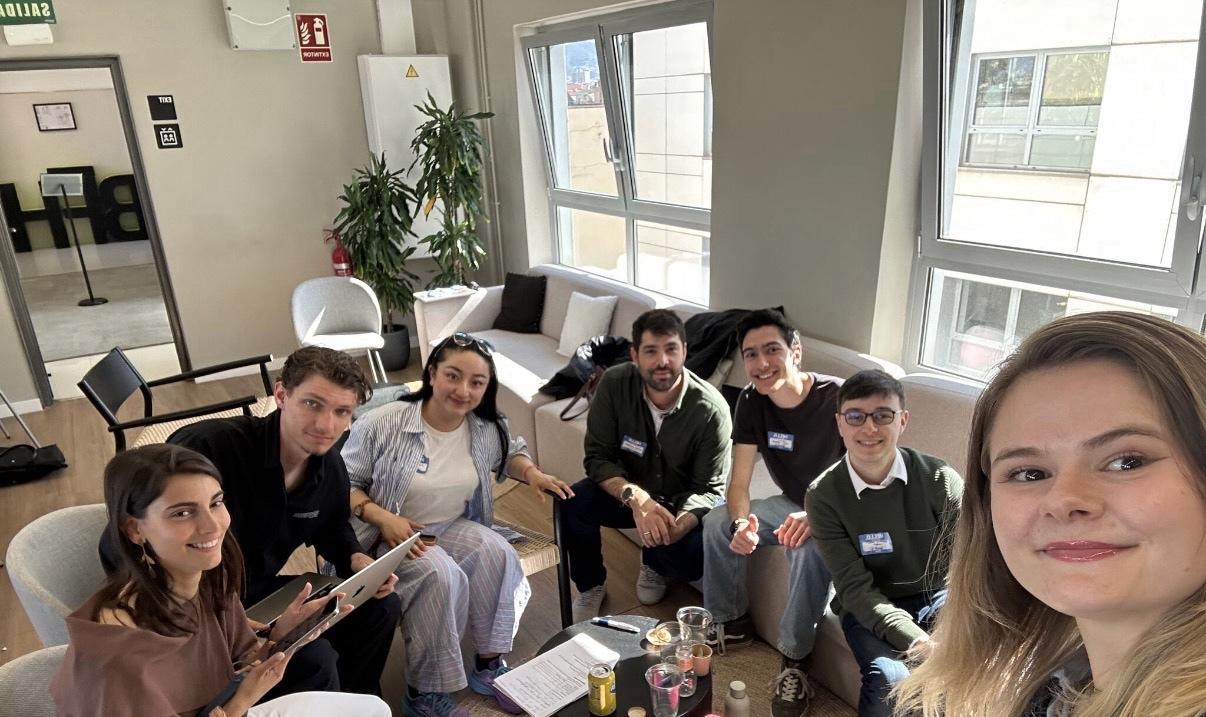
Hosted at Barcelona Finance Hub, within Aticco’s innovation ecosystem and with Aticco Lab as main partner, Founders of Tomorrow Q1 brought together ambitious students, startup ideas, and a standout network of mentors, speakers and partners for a day of live pitching, coaching and entrepreneurial exchange.
At Friends of Bata, we believe the next generation of founders needs more than inspiration. It needs access to the right rooms, the right conversations and the right people at the right time.
That is what Founders of Tomorrow Q1 set out to create.
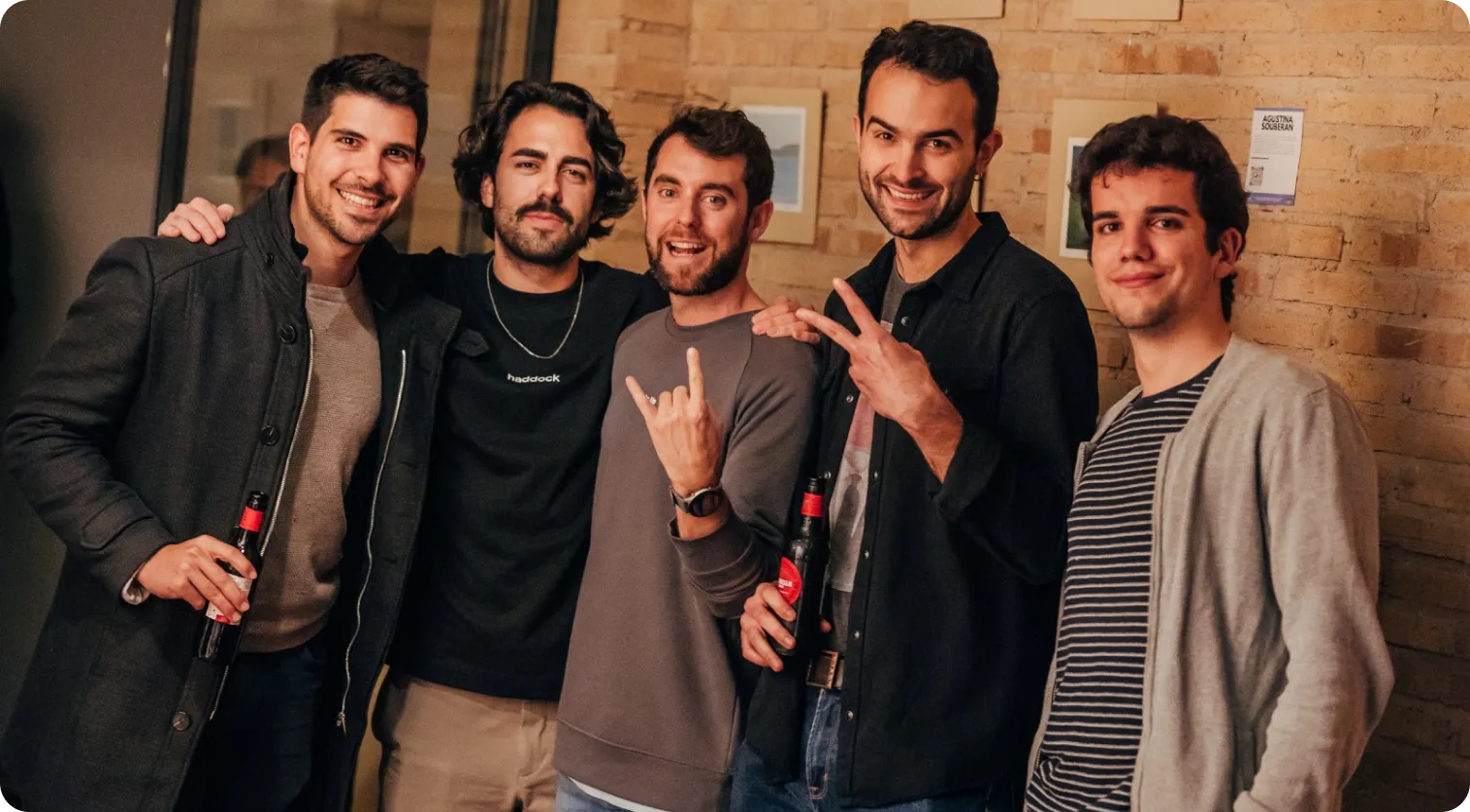
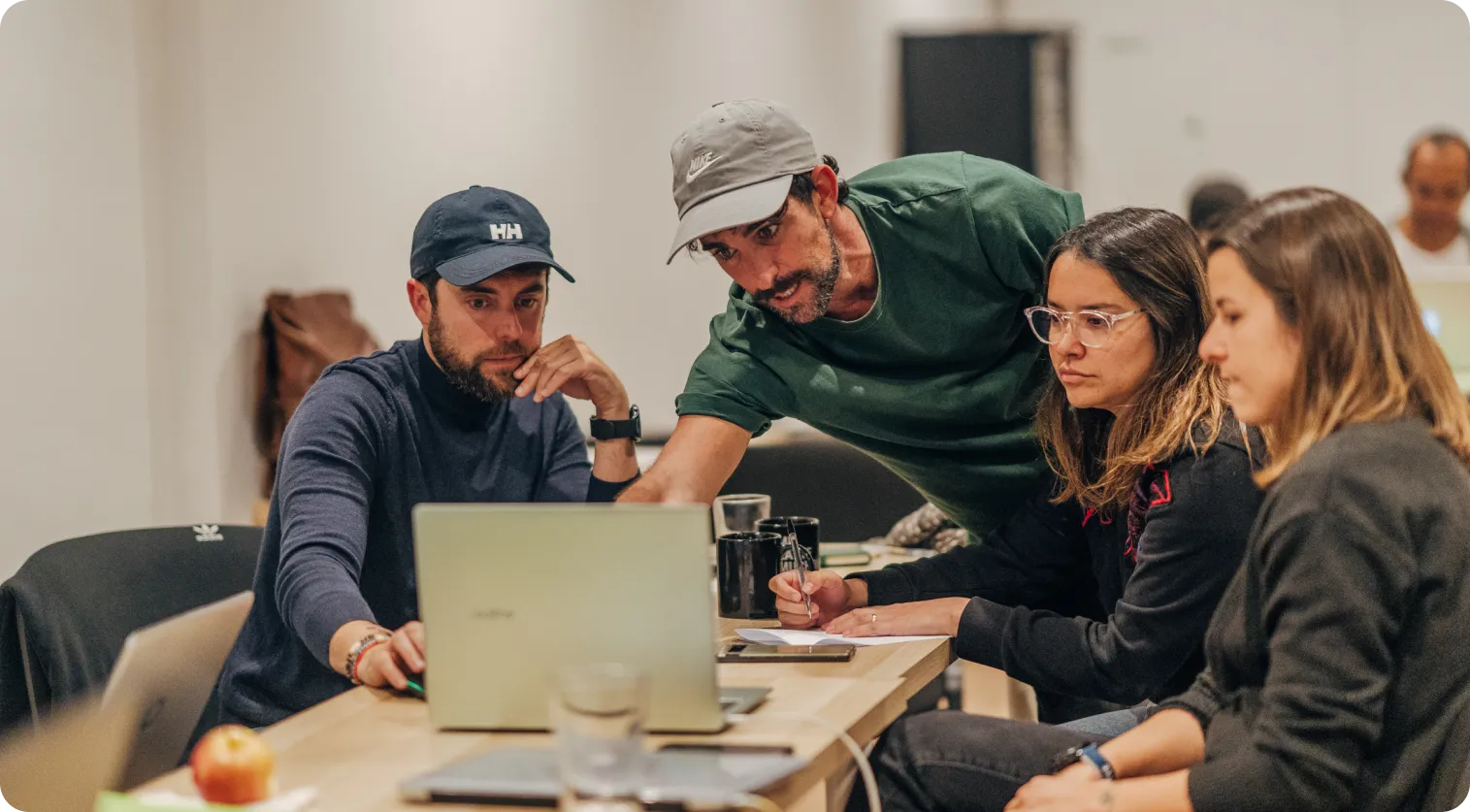
Hosted at Barcelona Finance Hub, and developed in close partnership with Aticco Lab, this edition brought together more than 50 students for a day of live pitching, coaching and entrepreneurial exchange. Throughout the programme, participants presented 10 startup concepts, each developed with the support of experienced mentors and shared in a room that captured the energy, ambition and ecosystem strength of Barcelona’s innovation scene.
Built with the right ecosystem around it
A defining feature of this edition was the strength of the ecosystem behind it.
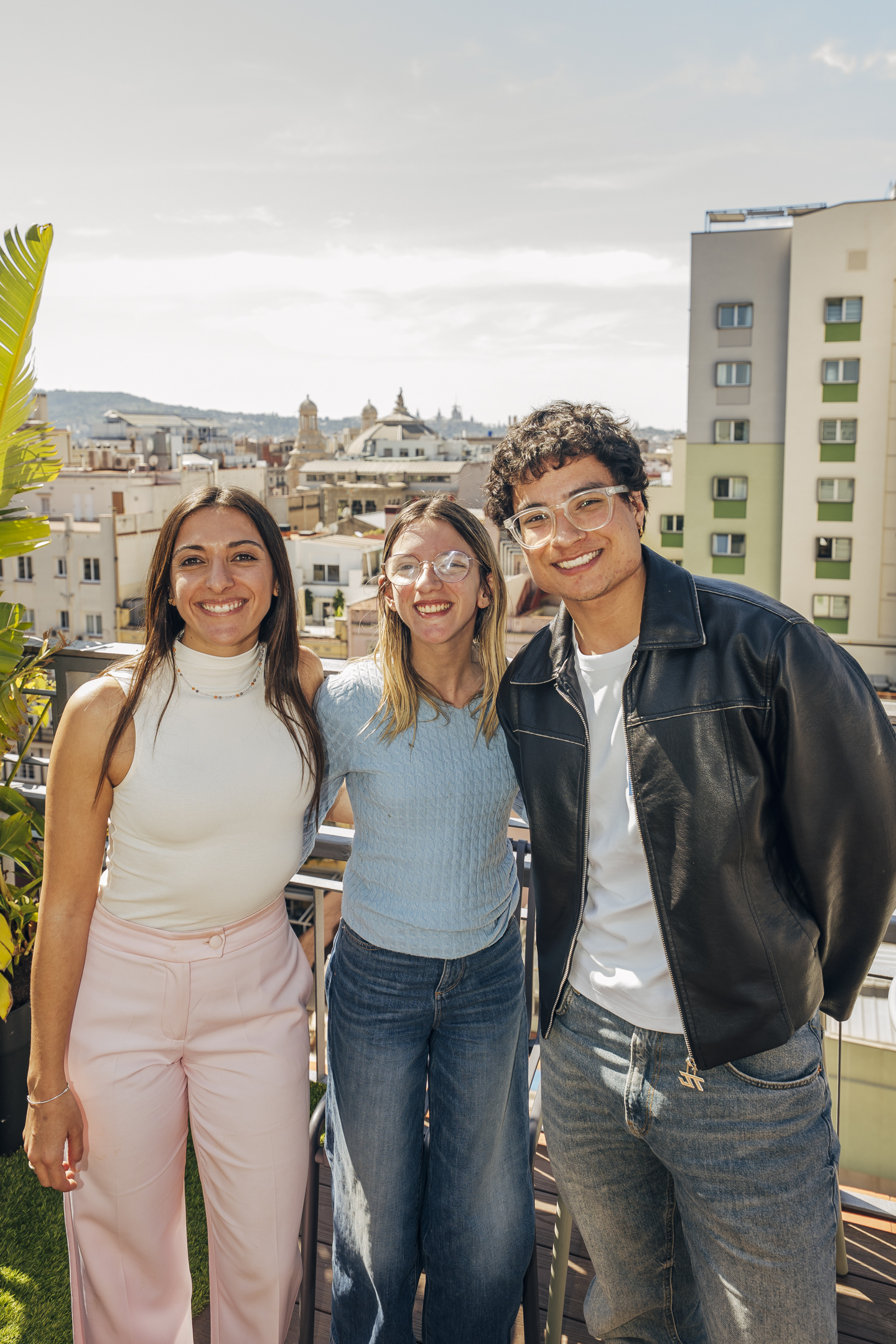
With Aticco Lab as main partner and Barcelona Finance Hub, by Aticco, as the venue, Founders of Tomorrow was grounded from the outset in one of Barcelona’s most relevant environments for innovation, entrepreneurship and venture building. That context gave the programme both credibility and momentum, creating the kind of atmosphere where students, founders, operators and ecosystem players could meet on shared ground.
The experience was further enriched by the presence of academic and ecosystem partners who helped broaden the room and deepen the exchange. SBS Swiss Business School Barcelona and Swiss Business School Madrid brought internationally minded students and entrepreneurial energy into the programme, while GBS contributed to its academic diversity and cross-cultural perspective. Practiqe helped connect innovation with hands-on, practice-based learning, Garage Tech Academy added a builder mindset and a tech-driven lens, and Startup Academy reinforced the entrepreneurial focus at the heart of the initiative.
Together, these elements created something that felt bigger than a student gathering. They helped shape a credible meeting point between emerging talent and the wider ecosystem around it.
Ten ideas, each grounded in a real problem
One of the clearest signals from the day was the specificity of the ideas students chose to develop. These were not abstract classroom exercises or polished-for-show concepts. They were responses to visible frictions across healthcare, education, student life, small business operations and wellbeing.
Among the concepts pitched were:
- Rescue Response, a family-centred emergency coordination platform designed to notify relatives, identify the best available responder and connect urgent cases with medical support.
- Spendly, a platform built to help users avoid wasting money on forgotten AI subscriptions by detecting free trials through email and alerting them before charges begin.
- Sendubest, a marketplace connecting European SMEs with surplus precision inventory from Chinese factories, helping smaller businesses overcome minimum order quantity barriers.
- Spark Edu, an AI-powered co-tutor platform for schools and institutions, designed to detect silent dropout risk early and support faster intervention.
- Metabol, a more accessible and automated nutrition-tracking concept aimed at reducing friction in everyday health management.
- Newbie, a social discovery platform for international students in Barcelona, helping them connect through shared interests, language and local experiences.
- Humax, a support platform for microbusinesses and self-employed professionals, designed to simplify admin, compliance and growth-related decision-making.
- Pitchr, a video-first platform helping founders present their ideas and connect more efficiently with mentors, investors and potential collaborators.
- Pause, a menopause-focused sleep and wellbeing concept built around more personalised support and symptom management.
- SkipLine, a digital queue-access platform rethinking waiting time as a user experience and coordination challenge.
Taken together, the projects reflected a generation highly attuned to real user behaviour, market friction and technology-enabled solutions. The range of ideas also gave the room a distinctive energy: practical, curious and refreshingly close to the realities of everyday life.
A room strengthened by builders, operators and founders
What gave Founders of Tomorrow its real depth was not only the quality of the ideas, but the calibre of the people helping shape them.
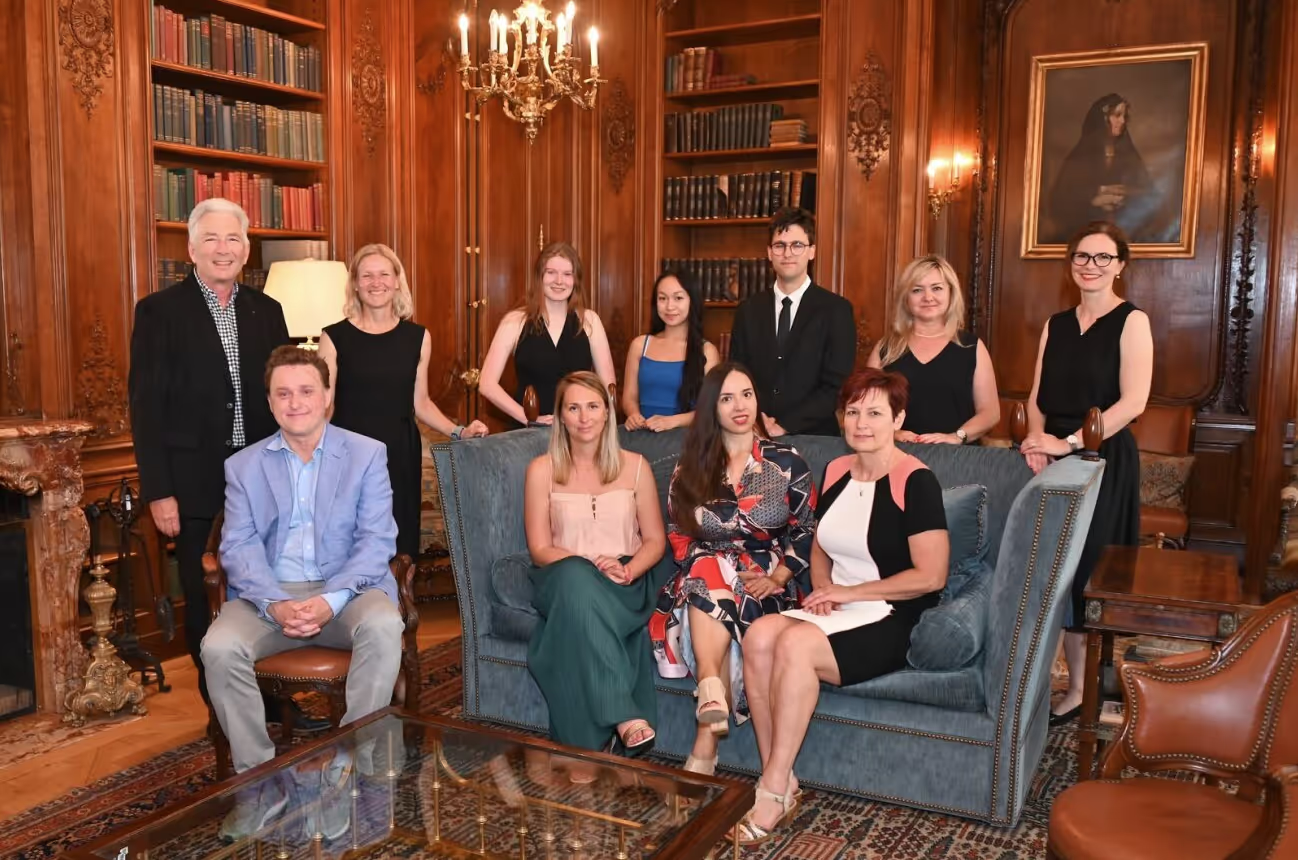
Participants were supported by a strong network of moderators and mentors, including Valentina Müller, Adrian Escabias, Anastasiya Tyurina, Carlos Diaz, Jes Black, Luis Garcia, David Alcobero, Michael Erd, Joan Viladomat, Xavier Mendez, Borja Berasategui and Maximo Robles. Their presence brought real substance to the programme, helping participants challenge assumptions, sharpen their value propositions and think more clearly about execution, positioning and impact.
The day was also enriched by a strong group of speakers who brought their own entrepreneurial journeys and sector perspectives into the room. A special thank you goes to Amelie Mariage,, Gabriel García Asensio, Roger Espasa, Borja Berasategui and Maximo Robles for helping expand the conversation around innovation, entrepreneurship and the future of business.
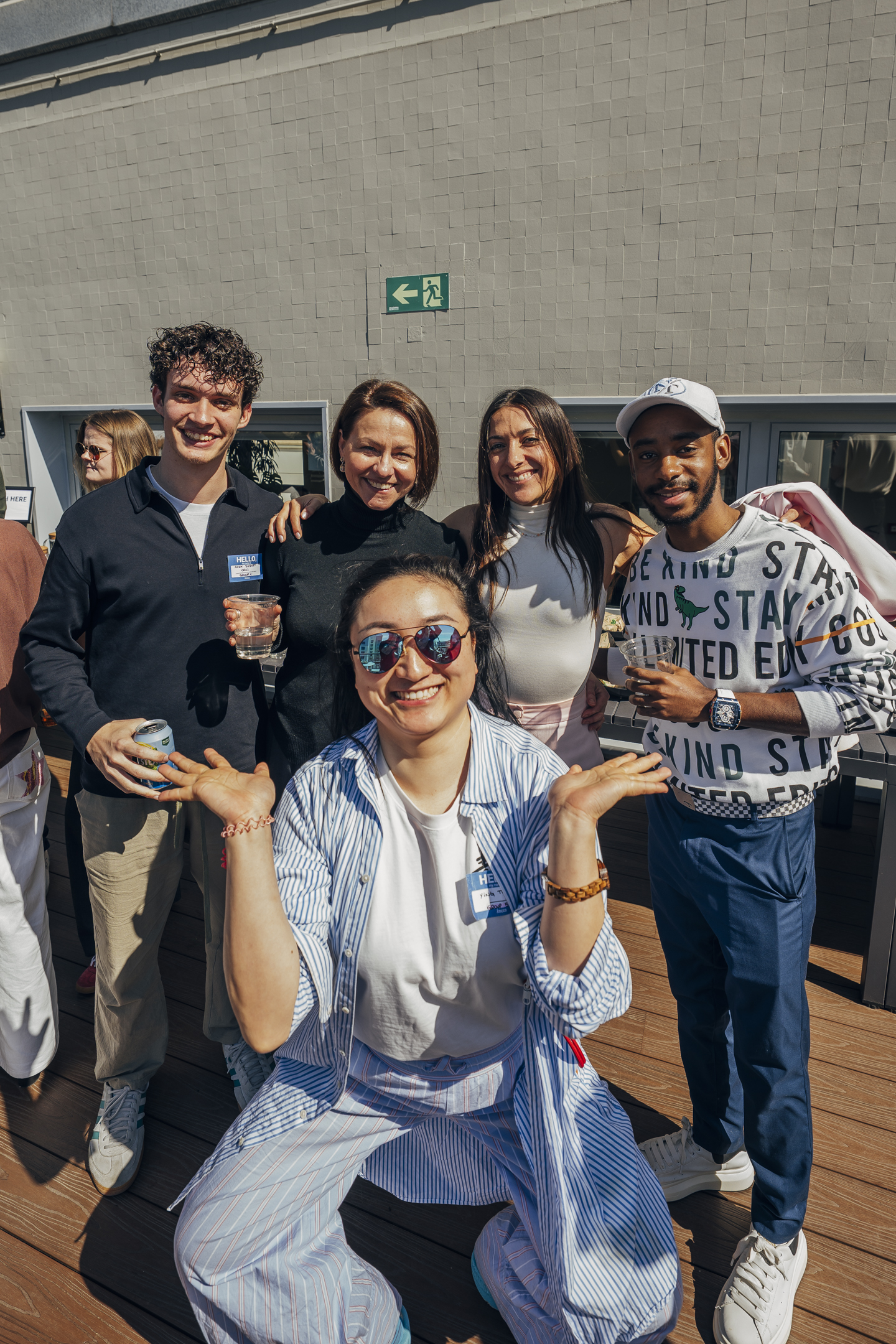
Together, the mentors, moderators and speakers gave Founders of Tomorrow a pace and seriousness that pushed the student teams well beyond a classroom dynamic. The result was not only a better pitch day, but a stronger learning environment shaped by real feedback, sharper questions and genuine exchange.
Recognition that continued beyond the stage
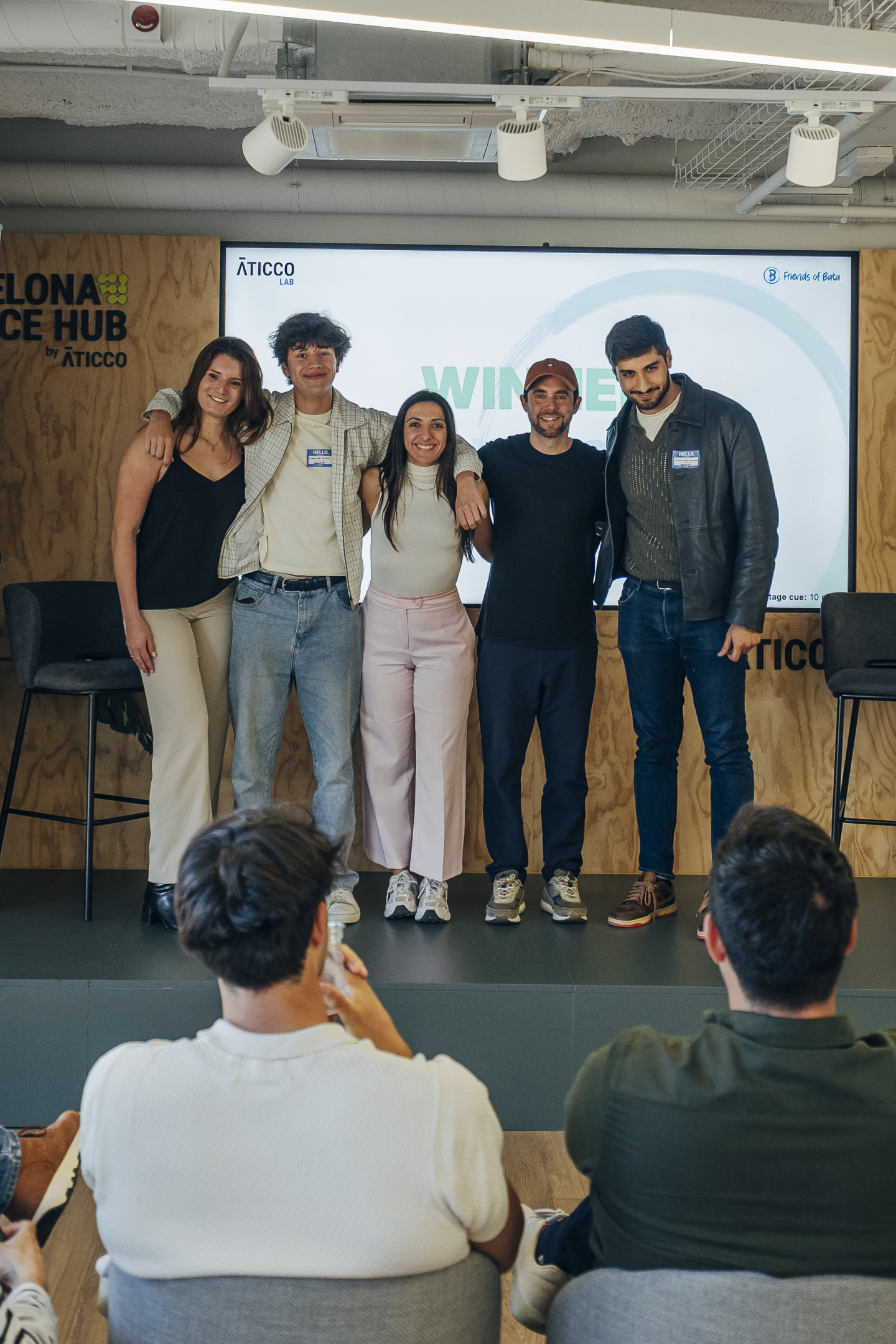
Three teams were ultimately recognised for the strength of their ideas, the clarity of their pitch and the maturity of their execution.
Newbie was awarded first place, followed by Sendubest in second, and Pitchr in third. Each of the three projects stood out not only for the strength of its concept, but for the way it approached real-world challenges with empathy, clarity and purpose. Just as striking was the spirit behind the ideas: teams that worked with real cohesion, shared conviction and the kind of collaborative energy that turns a pitch into something genuinely memorable. Together, they reflected both the diversity of the room and the breadth of entrepreneurial thinking on display throughout the day.
As part of that recognition, the winners received a support package that included a €100 Amazon gift card, a LinkedIn recognition feature, and the opportunity to request a one-hour mentorship session coordinated through the Friends of Bata network.
That support carried the momentum of the programme beyond the stage itself, turning recognition into visibility, follow-up and continued access.
Looking ahead
What this first edition made clear is not only that the talent exists, but that the right environment can accelerate it quickly.
Founders of Tomorrow Q1 became more than a one-day programme. It emerged as a strategic meeting point where early talent, ecosystem leaders and entrepreneurial ambition could connect in a way that felt immediate, credible and full of potential.
That is what gives the format its long-term value, and what makes it a meaningful platform to keep building in Barcelona.


%20(1).jpeg)