At Friends of Bata, our case studies are not the end of the learning process. They are the beginning of a hands-on experience.
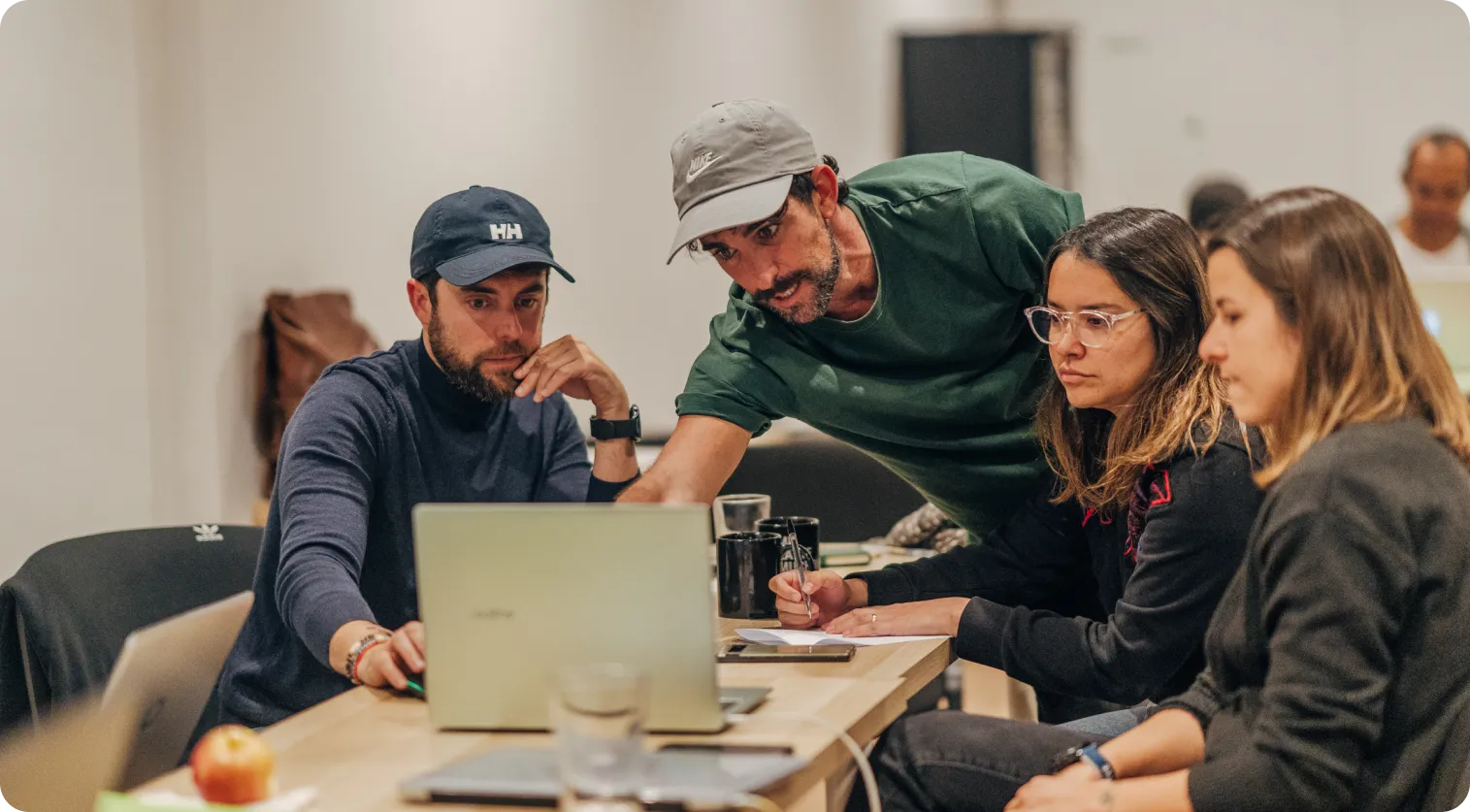
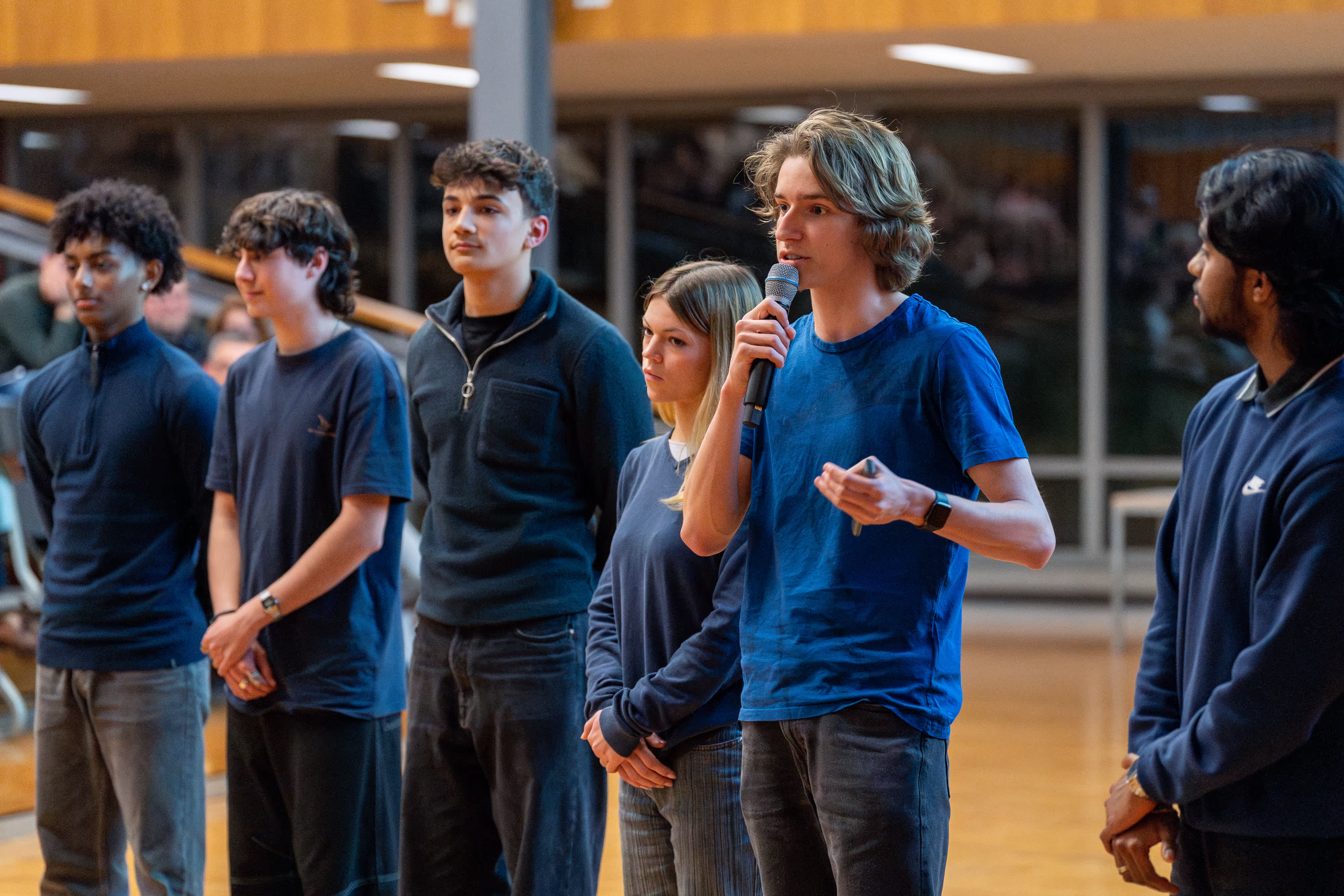
This week, students from the Business Academy at Tomas Bata University (TBU) worked on our latest Friends of Bata case study featuring Iñaki Zubeldia, co-founder of Yoseyomo.
The case explored one of the most complex challenges in Web3: secure self-custody and digital inheritance. Students analysed the business model, validation strategy, funding challenges, brand positioning and go-to-market structure. They debated risks. They challenged assumptions. They explored alternatives.
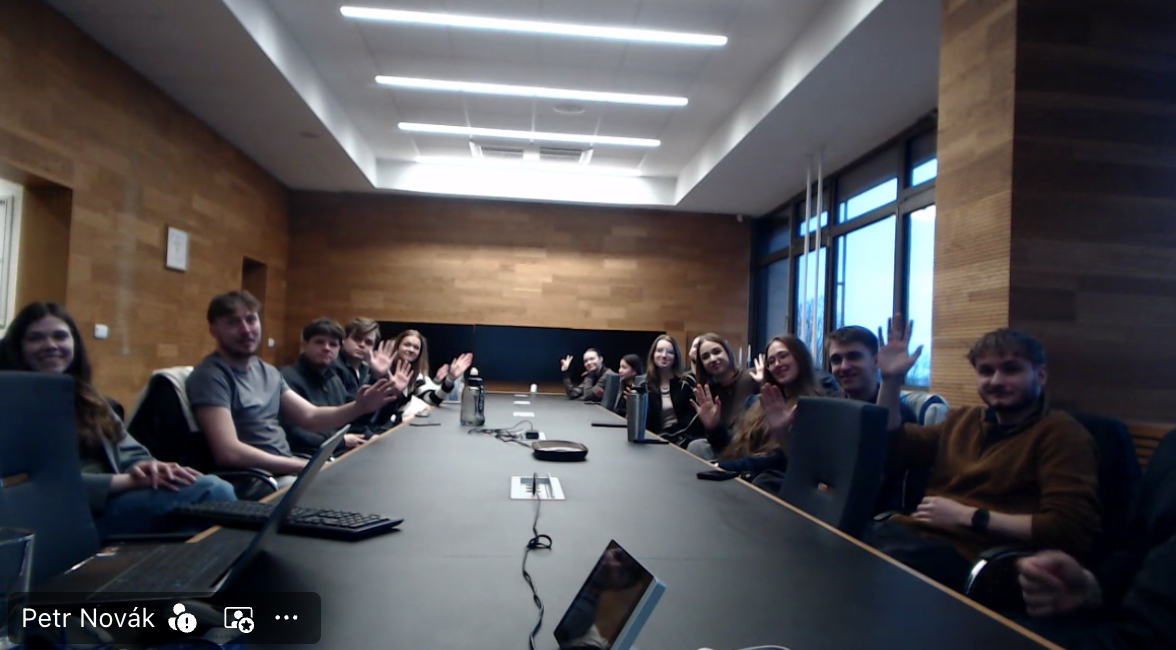
And then, they met the founder himself in a live online Q&A session.
The Background: What Problem Is Yoseyomo Solving?
Yoseyomo was founded in Spain by Iñaki Zubeldia and his co-founders to address a sensitive but critical issue in crypto: What happens to your digital assets after you’re gone? Billions in crypto have already been permanently lost due to:
• Poor seed phrase storage
• Lack of inheritance planning
• Human error
Yoseyomo built a physical titanium vault system combined with a structured inheritance protocol, allowing individuals to maintain full self-custody without exposing private keys during their lifetime.
The company sits at the intersection of technology, security, psychology and trust.
But the most valuable lessons from the session were not technical.
They were entrepreneurial.
Key Lessons from the Session
1. Validate Before You Manufacture
Before producing a single unit, Yoseyomo built anticipation.
For over six months, they publicly documented their progress, created a waiting list and tested demand before committing to manufacturing.
More than 1,000 people joined the waiting list before the official launch.
The lesson is clear:
Community is cheaper and more powerful than paid ads.
2. Storytelling Is Strategy
For Iñaki, branding is not decoration. It is coherence.
Yoseyomo’s Japanese-inspired identity reflects resistance, resilience, silence and focus — values aligned with crypto security and sovereignty.
Every design element communicates stability and strength.
In high-trust industries like Web3, storytelling builds credibility long before the product is touched.
3. Choose Partners by Values First
One of the strongest discussions revolved around co-founder dynamics.
Skills matter. But shared values and emotional alignment matter more. A team that constantly negotiates internally cannot execute externally.
Complementary skills + aligned personalities = long-term resilience.
4. “Cheap” Can Be Expensive
An early mistake was hiring a low-cost freelancer for a launch video. They lost time and momentum. Eventually, they invested in the expert they originally wanted. That video later became a key asset in their early sales success.
The takeaway:
Time is more expensive than money in early-stage startups.
5. Fail Fast, Correct Faster
Mistakes are inevitable. Slow corrections are optional.
If a strategy, agency or partnership is clearly not working, change direction early. Small, fast corrections protect runway and energy.
6. Community > Paid Acquisition
Yoseyomo’s first customers came from Iñaki’s YouTube community, built over several years. Advertising was secondary.
Trust and attention are leverage.
In niche markets especially, paid acquisition can destroy margins quickly. Community compounds.
The 0.8 — 1.0 — 1.2 Principle
Perhaps the most memorable insight of the session was personal:
There are 0.8 people.
There are 1.0 people.
And there are 1.2 people.
0.8 people deliver less than expected.
1.0 people deliver exactly what is required.
1.2 people go beyond expectations.
In startups, 1.2 behavior creates exponential outcomes.
A 1.2 founder:
• Answers the extra email.
• Improves the product before being asked.
• Prepares better than necessary.
• Adds value without waiting for instruction.
Over time, this mindset builds reputation, trust and opportunity.
The Business Academy session was not about crypto mechanics. It was about:
• Building before demand exists
• Structuring urgency and scarcity
• Raising capital creatively
• Managing uncertainty
• Moving fast without losing coherence
And above all: Enjoying the journey. Entrepreneurship is not a straight line. It is a process of iteration, exposure and resilience. At Friends of Bata, our goal is simple:
Not to teach theory.
But to create direct contact with people who are building.
From case study to founder.
From analysis to reality.
Because entrepreneurship is not predicted. It is built day by day!!